Earthquake gas shutoff valves for San Jose homes
An earthquake valve closes the gas supply automatically when strong shaking hits, so a broken line does not keep feeding gas into the house.
- 24/7 answered
- Phelan Ave San Jose office
- Tank, tankless, heat pump
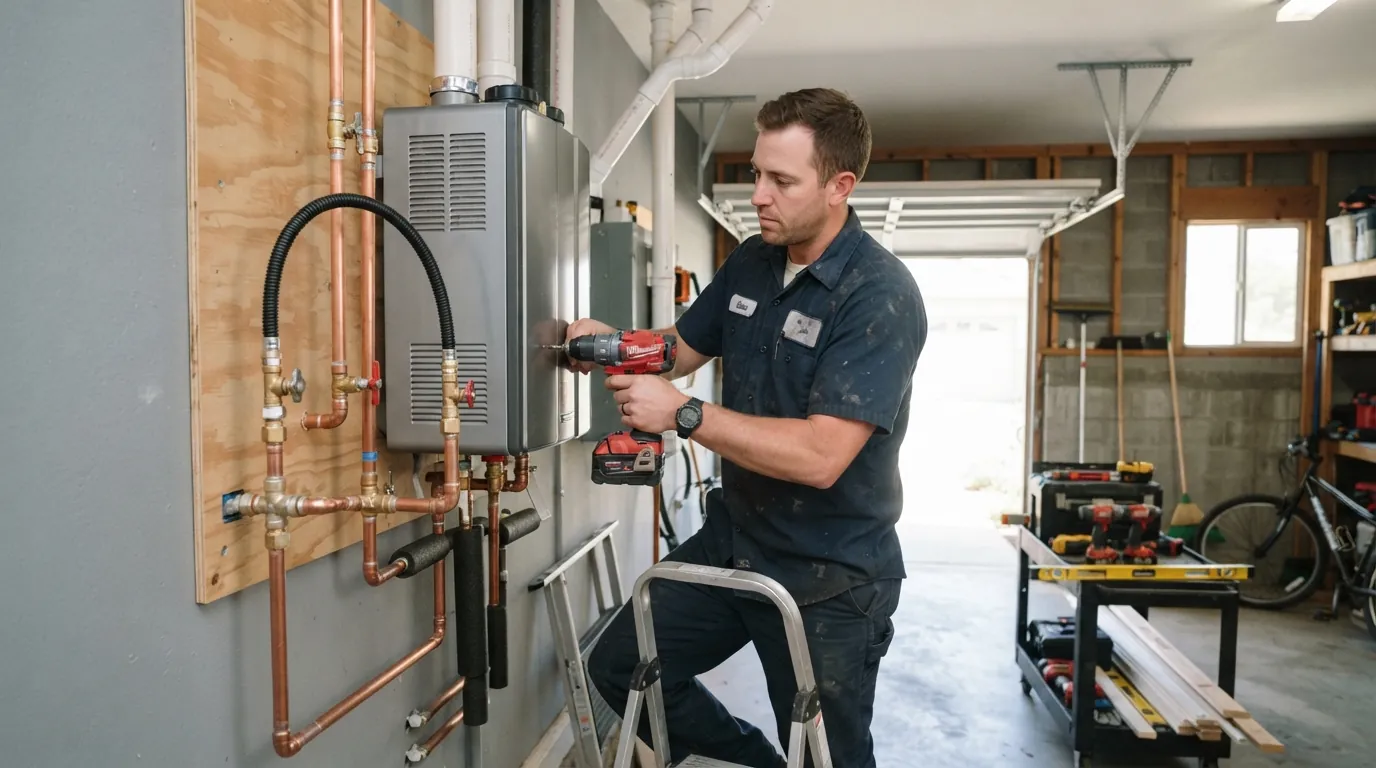
Perfect Tankless Plumbing, San Jose, CA
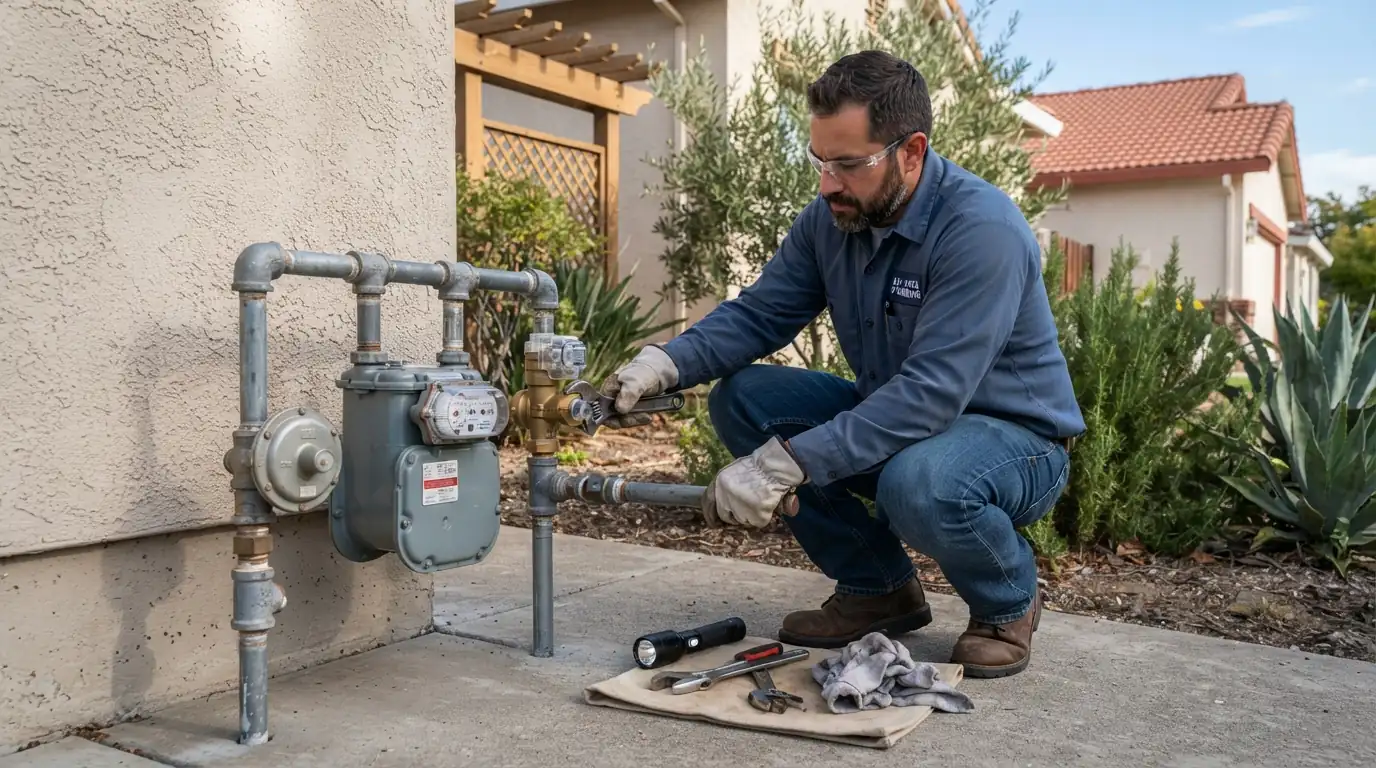
A seismic gas shutoff valve in San Jose is installed on the house side of the gas meter and closes automatically when it senses strong shaking; excess flow valves at individual appliances shut off gas if a connector breaks, and both are installed with a permit and leak-tested.
Updated September 2026
Repipe, Gas & Water Quality
Two kinds of automatic gas protection
The Bay Area is earthquake country, and one of the risks after strong shaking is a broken gas line or appliance connector feeding gas into a house. Two devices address it in different ways.
A seismic valve at the meter closes the whole house supply when it senses shaking. An excess flow valve at an appliance closes that appliance's supply if gas suddenly flows faster than normal, as it would through a broken connector.
Cost factors
What seismic valve installs cost depend on
We do not publish a local price; the meter setup and appliance count set the scope.
- Meter configuration. space and pipe layout at the meter
- Valve type. seismic, excess flow or both
- Appliance count. one excess flow valve per appliance
- Connector replacement. old connectors swapped
- Permit. for gas work
- Relighting. pilots and appliances after install
Options
Seismic valve or excess flow valve
| Seismic valve at meter | Excess flow valve | |
|---|---|---|
| Triggered by | Strong shaking | Sudden high gas flow |
| Shuts off | Whole house | One appliance |
| Location | House side of the meter | At the appliance connector |
| Reset | By hand at the meter | Usually automatic once flow stops |
| Protects against | Breaks anywhere downstream | A broken connector |
| Best used | Together | Together |
DIY or call
What owners can and cannot do
| Task | Reasonable to DIY | Call a plumber |
|---|---|---|
| Checking if the valve tripped | Yes | If unsure |
| Resetting after a trip | Only if certain there is no leak | Any doubt at all |
| Relighting pilots | Yes, per labels | If they will not stay lit |
| Installing a seismic valve | No | Always |
| Fitting excess flow valves | No | Always |
| Replacing connectors | No | Always |
Earthquake valve at the meter
The seismic valve is installed on the house side of the utility meter, where it can shut off the entire house supply. It must be mounted level and plumb, supported properly, and positioned so it can be reset by hand. We install it with a permit, leak-test every joint, and show you how to read whether it has tripped. The utility's own equipment on the street side of the meter is theirs, and we do not touch it; everything we install sits on your side and is yours to maintain.
Excess flow valves
An excess flow valve is a small device fitted where an appliance connector joins the gas line, behind a range, dryer or water heater. If the connector breaks and gas rushes out, the valve closes. It does not respond to shaking and does not shut the whole house off, so it complements a meter valve rather than replacing it. We fit them when connectors are replaced or new appliances are installed, sized to the appliance's gas demand so the valve does not close during normal use when every burner is on.
Reset after a trip
After a seismic valve trips, gas is off to every appliance. Before resetting, the gas system should be checked for leaks, because the valve did its job only if the lines behind it are intact. We inspect and leak-test, reset the valve, and relight each pilot and appliance. Owners can reset a valve themselves if they are certain there is no leak, but relighting several appliances, furnace, water heater, range and dryer, is often simpler with help, and we check each one burns correctly before leaving.
Local context
Planning for shaking in San Jose
Most San Jose homeowners already strap their water heaters because state rules require it, and the seismic gas valve is the natural next step for the same risk. It matters most where a house has several gas appliances and flexible connectors that could be stressed by movement. We suggest installing it together with any water heater replacement or gas line work, while the gas is already off and a permit is already being pulled, rather than as a separate visit later.
How the job runs
How an install runs
- 1
Check the meter setup
Space, support and pipe size.
- 2
Permit
Filed for the gas work.
- 3
Shut off gas
At the meter valve.
- 4
Install
Level, plumb and supported.
- 5
Leak test
Every joint.
- 6
Relight and explain
Appliances on, reset shown.
FAQ
Seismic Gas Shutoff Valve Installation questions from San Jose homeowners
It closes the gas supply to the whole house when it senses strong shaking.
No. An excess flow valve closes one appliance's supply if a connector breaks.
Only if you're certain there's no gas leak. Otherwise have the system checked first.
Seismic valves are designed to respond to strong shaking, not minor vibration.
Yes. Gas work is permitted and leak-tested.
Same family
Related work in repipe, gas & water quality
Whole-House Repiping
PEX repipe, Copper repipe.
Whole-House RepipingPressure Regulator Replacement
High pressure symptoms, PRV sizing.
Pressure Regulator Replacement in San JoseLow Water Pressure Repair
Galvanized restriction, PRV failure.
Read about low water pressure repairWater Pressure Booster Pump Installation
Upstairs and hillside pressure, Constant-pressure pump sizing.
Water Pressure Booster Pump InstallationGas Line Installation and Repair
Gas leak repair, New appliance stub.
Gas Line Installation and Repair
One number, any hour
Add automatic gas protection
Call to install a seismic valve, ideally alongside other gas or water heater work.