Water heater repair in San Jose for tank and tankless units
Most cold-shower calls are a part, not a whole heater, and we carry the common ones.
- 24/7 answered by a person
- Tank + tankless gas and electric
- San Jose service office
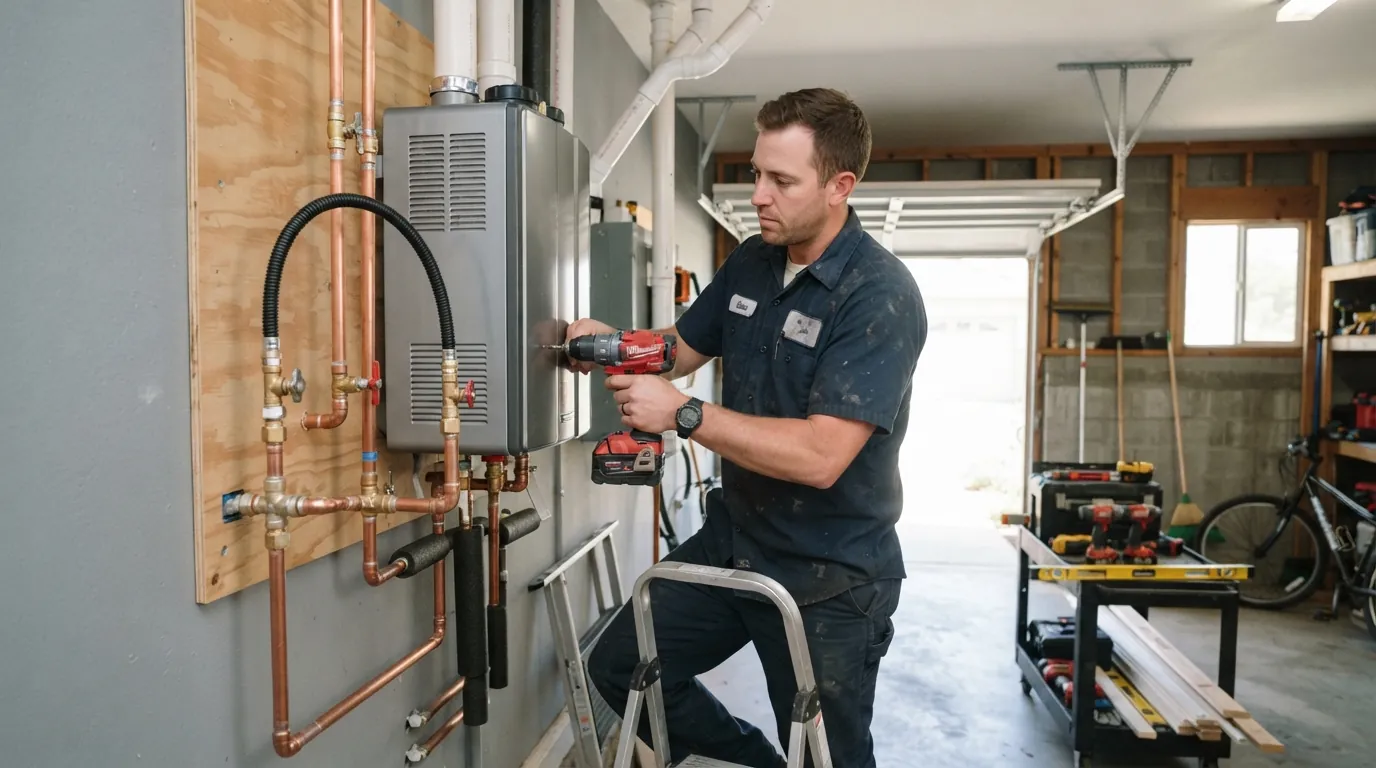
Perfect Tankless Plumbing, San Jose, CA
Most water heater repairs in San Jose come down to a failed thermocouple or igniter, a dripping relief valve, a burned-out electric element, or sediment from the city's hard water; we diagnose the part on the first visit, repair it where it makes sense, and tell you plainly when the tank itself is done.
Updated September 2026
Water Heaters
Repair or replace: how we decide
A heater that stops making hot water is usually one failed part away from working again. Pilots, thermocouples, gas valves, igniters, elements and thermostats all wear out, and all can be replaced in a visit. A leaking tank cannot. Once the steel shell itself is weeping, repair is off the table and the conversation is about replacement.
We look at the heater's age, the condition of the tank and the cost of the part before recommending anything. A ten-year-old tank with a failed gas valve may not be worth the part; a four-year-old one almost certainly is.
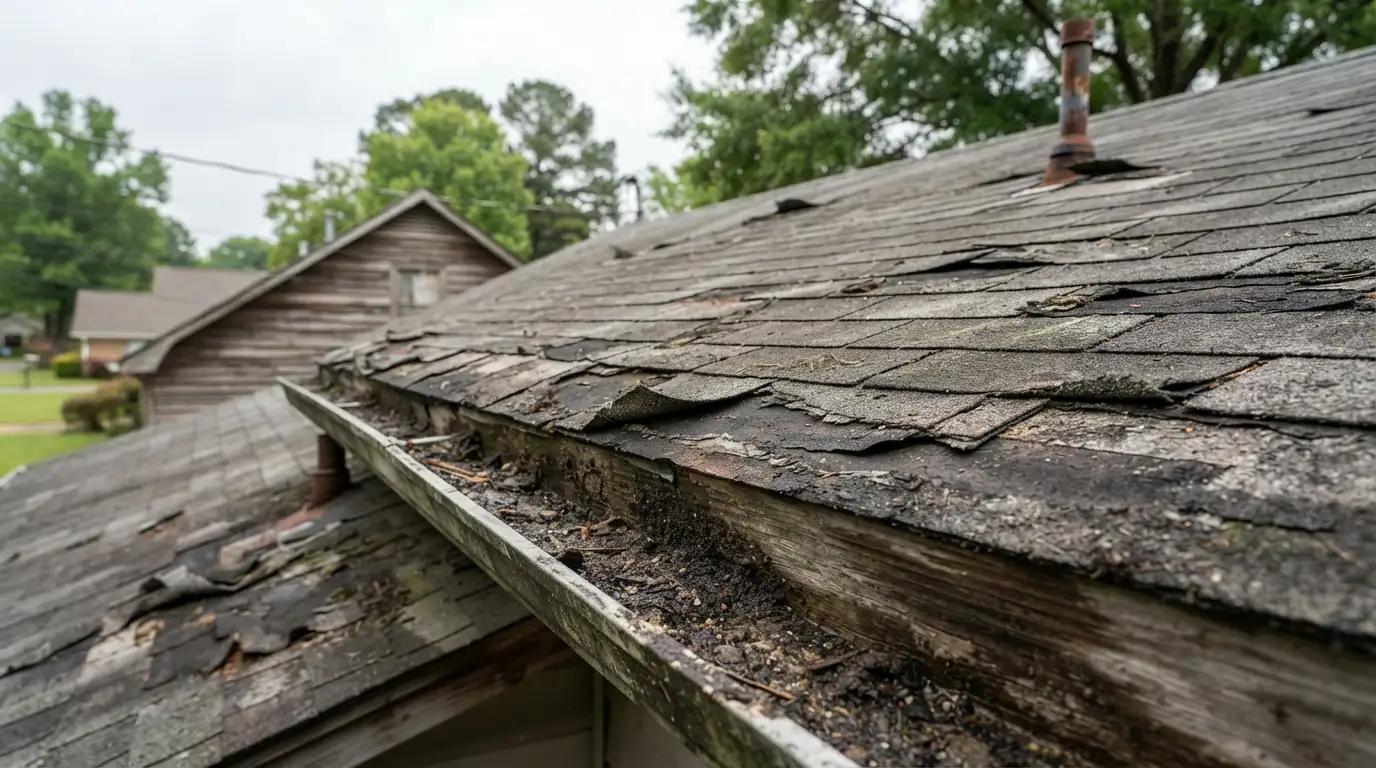
Warning signs
Signs your water heater needs repair
- No hot waterPilot, igniter, element or a tripped reset.
- Hot water runs out fastA failed lower element or heavy sediment.
- Popping or rumblingSediment boiling on the tank bottom.
- Water at the baseRelief valve, fittings or, worst case, the tank.
- Rusty hot waterA spent anode rod or corroding tank.
- Pilot keeps going outThermocouple, flame sensor or air supply.
Pilot and thermocouple
On older gas tanks, a pilot that will not stay lit is usually a worn thermocouple, the small sensor that tells the gas valve the flame is there. Newer units use a thermopile or flame sensor that fails the same way. We clean or replace it, check the pilot flame and burner, and look for a dirty flame arrestor screen at the bottom of the tank, which chokes the air supply and snuffs the pilot out. If the gas control valve itself has failed, we price that separately so you can weigh it against the heater's age.
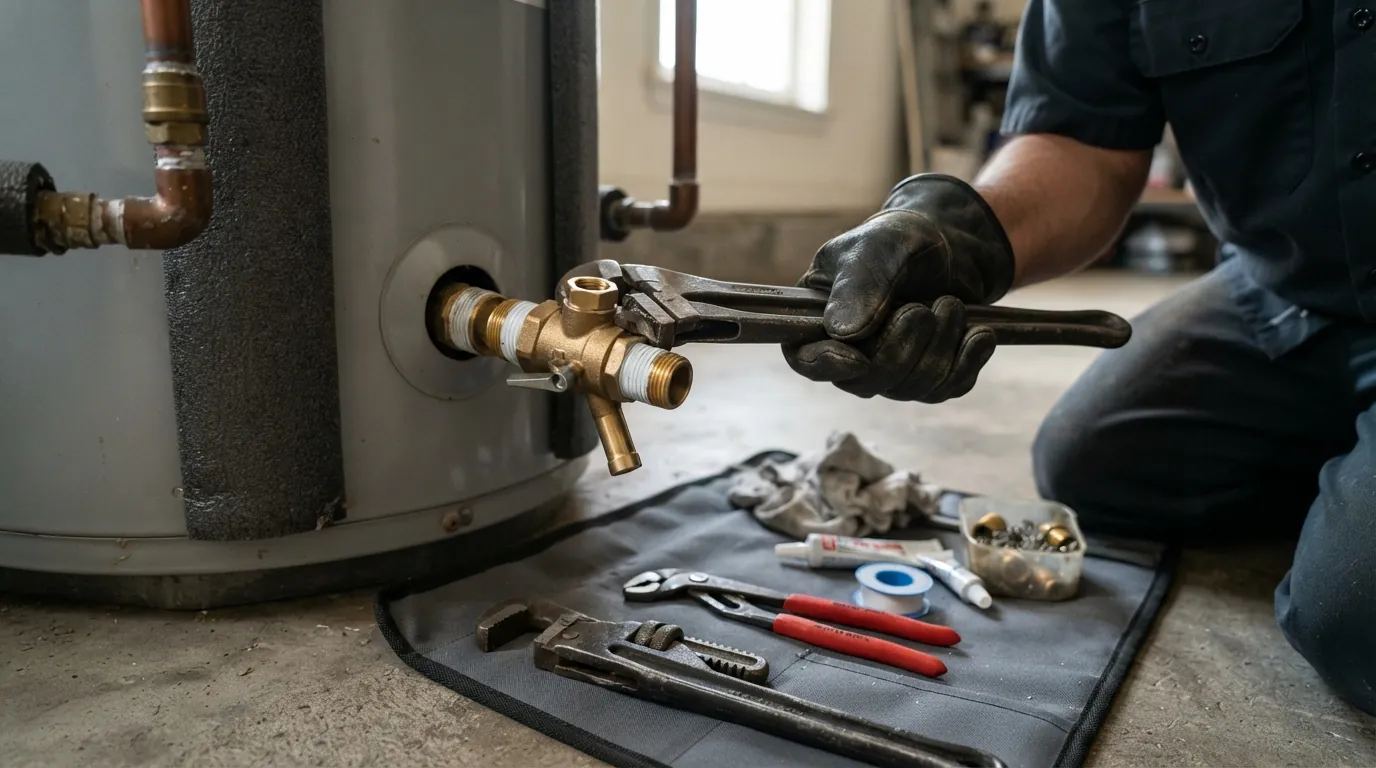
Leaking T&P valve
The temperature and pressure relief valve opens when the tank gets too hot or too pressurized. A drip from its discharge pipe is either a worn valve or a symptom of high pressure from thermal expansion. Replacing the valve without checking the pressure just moves the problem. We test house pressure, check the expansion tank, and replace the valve with the correct rating. Never cap or plug that discharge line; it is the heater's last line of defense against a tank failure.
Sediment and popping noise
Popping, crackling or rumbling means water trapped under a layer of sediment is boiling as the burner fires. It wastes energy and overheats the tank bottom. A flush often quiets it, though years of hard-water buildup can be too dense to move. We drain the tank, flush until it runs clear, and check the drain valve, which on older tanks is often plastic and may not reseal. Heavy, repeated sediment is also a sign the anode rod needs attention.
Element and thermostat
Electric tanks have an upper and lower element, each with its own thermostat. Lukewarm water that runs out fast usually means the lower element has failed; no hot water at all points to the upper element or a tripped high-limit reset. We test each element and thermostat with a meter rather than guessing, replace the failed part, and check that the wiring at the terminals is not scorched. Hard water scales elements quickly here, so we look at their condition while the tank is drained.
How the job runs
How a repair call runs
- 1
Ask the right questions
Gas or electric, age, and what the heater is doing.
- 2
Check safety first
Gas smell, venting and relief valve.
- 3
Diagnose the part
Meter and visual tests, not guesswork.
- 4
Repair or advise
Fix it, or explain why replacement makes more sense.
- 5
Relight and test
Hot water at a tap and a check for leaks.
- 6
Note the next risk
Sediment, anode or pressure issues we spotted.
Local context
Why San Jose heaters fail the way they do
The median San Jose home dates to 1978, so plenty of water heaters here sit in garages and closets that were never planned for today's venting and seismic strapping rules. Across Santa Clara County, hard water pushes sediment into tanks and shortens the life of anode rods and elements, and high PG&E rates make a sediment-choked tank expensive to run. That combination is why a popping heater here is worth a service call rather than something to live with.
DIY or call
Water heater fixes you can try first
| Task | Reasonable to DIY | Call a plumber |
|---|---|---|
| Relighting the pilot | Yes, follow the label | If it will not stay lit |
| Pressing an electric reset | Once | If it trips again |
| Checking the breaker or gas valve | Yes | If both are on and no heat |
| Flushing a few gallons | With care | If the drain valve leaks |
| Replacing a thermocouple | Experienced owners only | Any gas smell |
| Replacing an element | No | Always |
Cost factors
What shapes a water heater repair bill
Repair cost is mostly the part and the time to diagnose it; we have not found a local range reliable enough to print.
- Which part failed. a thermocouple is inexpensive; a gas control valve is not
- Gas or electric. different parts and diagnosis
- Tank or tankless. tankless boards and sensors cost more
- Heater age. on an old tank we may advise replacement instead
- Access. attic and closet installs take longer
- Time of call. after-hours visits typically cost more across the market
FAQ
Water Heater Repair questions from San Jose homeowners
On gas tanks it's usually the pilot, thermocouple or igniter; on electric tanks, an element or a tripped reset.
If water is pooling, shut the cold supply at the top of the heater and turn off the gas or power. Then call.
Hard water shortens tank life here.
Yes. Error codes usually trace to scale, a clogged inlet filter, a flow sensor, an igniter or venting.
It depends on age, tank condition and the part.
Same family
Related work in water heaters
Rinnai Tankless Water Heater Repair
Ignition and flame codes, Scale and overheat codes.
Rinnai Tankless Water Heater RepairWater Heater Replacement
40 and 50 gallon gas, Electric tank units.
40 and 50 gallon gas and related workTankless Water Heater Repair
Error code diagnosis, Ignition failure.
Tankless Water Heater RepairExpansion Tank and Anode Rod Service
Anode rod replacement, Expansion tank install.
Expansion Tank and Anode Rod Service in San JoseNavien Tankless Water Heater Repair
Ignition and flame loss, Overheating and scale.
Ignition and flame loss and related work
One number, any hour
Get your hot water back
Call any hour. Tell us what the heater is doing and we will bring the likely part.